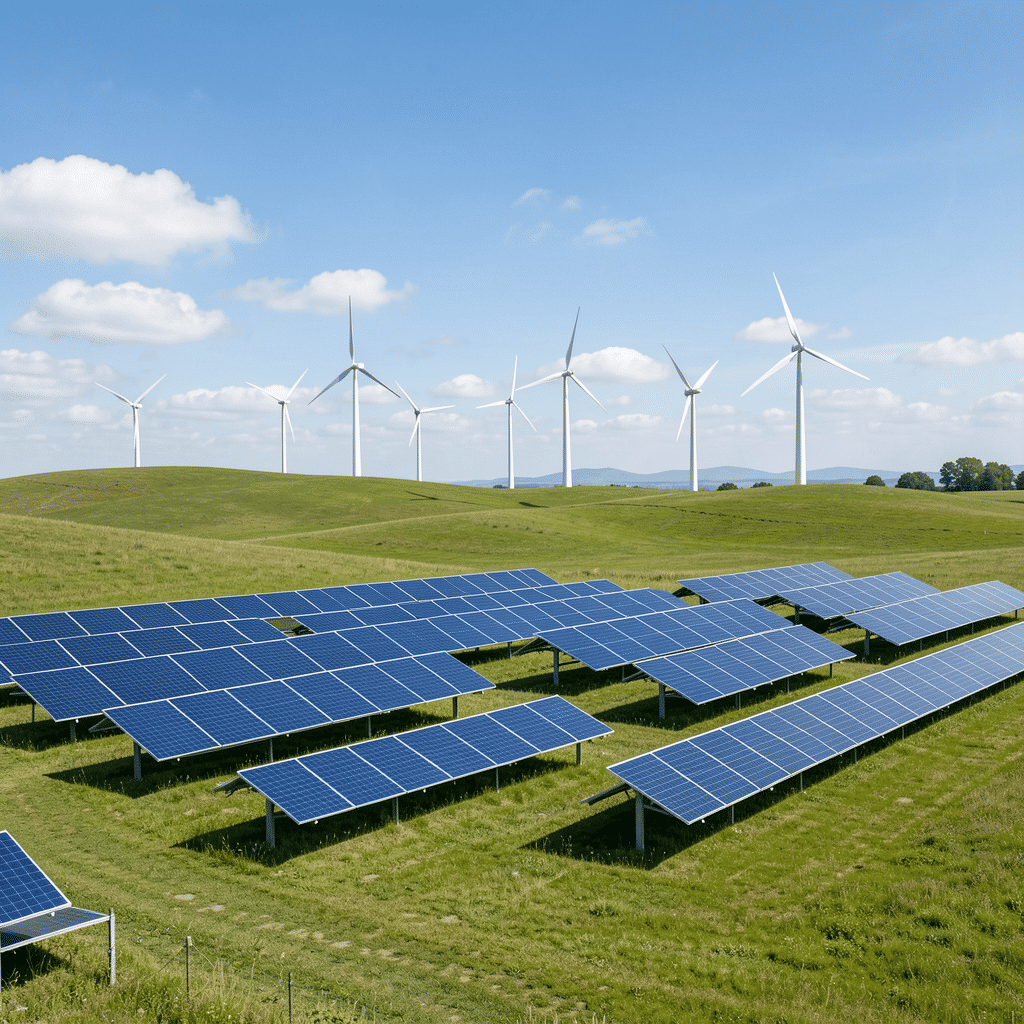
In recent years, the global emphasis on combating climate change and decreasing our dependence on fossil fuels has led to remarkable advancements in the field of renewable energy. As the world faces the dual challenges of increasing energy demand and environmental degradation, innovative research in renewable energy offers hope for a sustainable future. This article explores some of the groundbreaking developments in this arena, poised to redefine how we produce and consume energy worldwide.
One of the most promising areas of renewable energy research lies in solar technology. Traditional silicon-based solar panels, while effective, have limitations regarding efficiency and production costs. However, recent breakthroughs in perovskite solar cells have shown significant potential. These cells are not only cheaper to produce but also boast a higher efficiency rate in converting sunlight to electricity. Researchers are working on enhancing their stability and longevity, which could soon make large-scale deployment a viable option for global energy needs.
Wind energy is another sector experiencing exciting innovations. Offshore wind farms, traditionally expensive and logistically complex, are being revolutionized through the development of floating wind turbines. These turbines can be deployed in deeper and more varied sea locations, capturing stronger and more consistent wind currents. This technological leap can broaden the geographical scope of wind power generation, expanding energy access to regions with deep coastal waters.
Additionally, energy storage solutions are improving rapidly, addressing one of the most significant challenges faced by renewable energy sources: intermittency. Breakthroughs in battery technology, such as solid-state batteries, promise greater energy density, faster charging times, and longer lifecycle compared to current lithium-ion batteries. These advancements are crucial for balancing supply and demand, ensuring stable energy availability even when solar or wind resources are scarce.
Furthermore, the role of artificial intelligence (AI) in renewable energy cannot be understated. AI is being utilized to optimize energy generation and consumption patterns. By harnessing data analytics and machine learning algorithms, AI can enhance grid management, accurately predict energy production from renewable sources, and optimize energy storage and distribution to reduce wastage. This smart integration of AI and renewable energy is set to create more resilient and adaptive energy systems.
Hydrogen fuel is another area gaining momentum in the renewable energy landscape. Research into green hydrogen—produced using renewable energy to split water molecules—indicates it could become a clean fuel alternative for industries currently reliant on fossil fuels. Its potential to store and transport energy efficiently adds another layer of versatility to the renewable energy toolkit.
Moreover, the shift towards decentralized energy systems, such as microgrids, is gaining traction. These localized energy networks can operate independently or in conjunction with the main grid, enhancing energy security and resilience in the face of natural disasters or infrastructural failures. By incorporating a mix of renewable sources, microgrids can provide tailored solutions to specific community needs, reducing transmission losses and empowering localities to manage their energy resources effectively.
In closing, the future of renewable energy is not just about replacing fossil fuels but transforming the entire energy paradigm. The convergence of innovative technologies, policy support, and global collaboration is essential in accelerating this transition. As we harness these advancements, renewable energy holds the promise of a cleaner, more sustainable world—a promise that, with continued investment and innovation, we are on the brink of fulfilling.